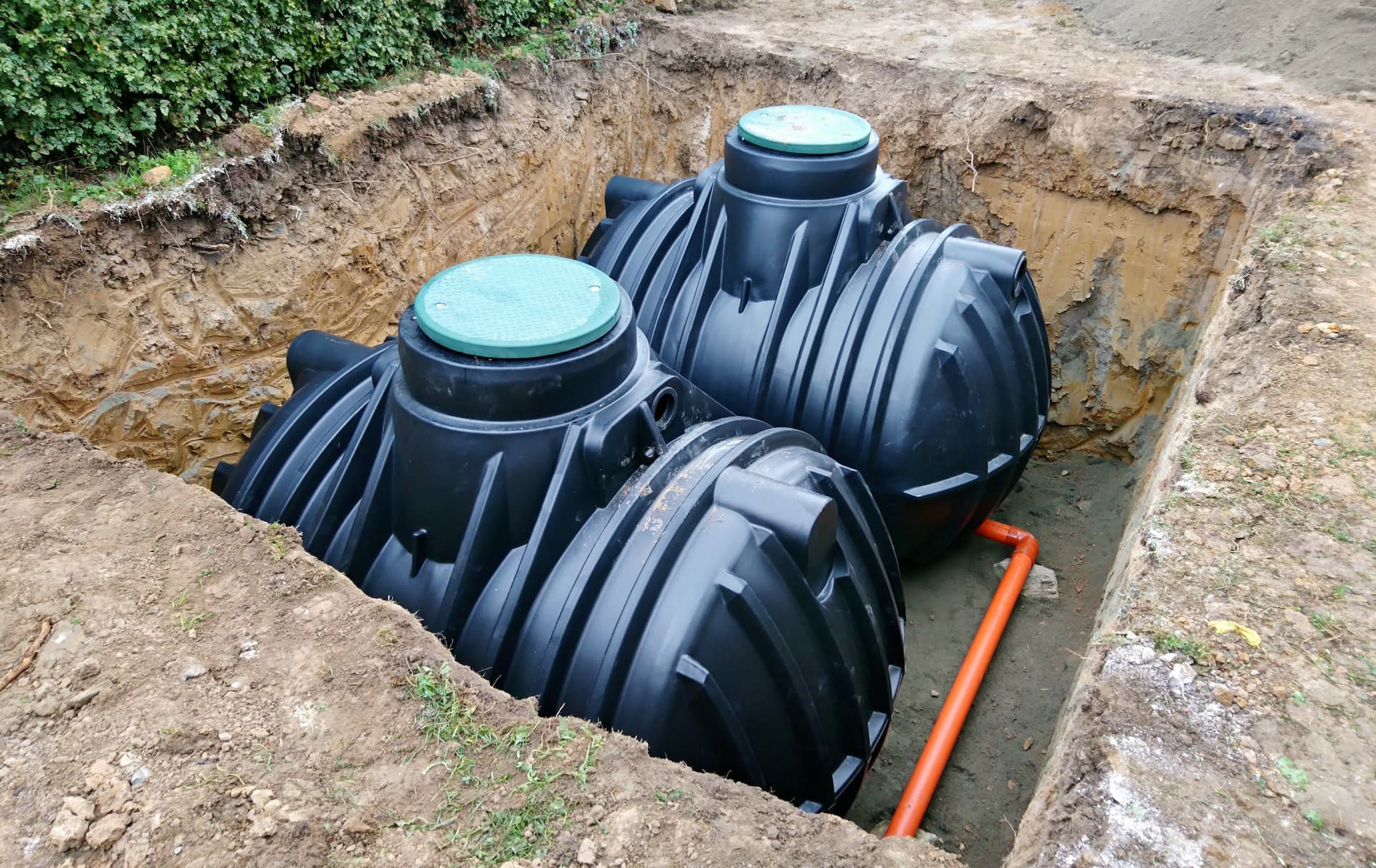
A brand new septic tank installation can be a drastic improvement to your property’s utilities. However, installing a septic tank can be a significant job for any homeowner if you aren’t prepared.
With this in mind, we’ve written this article to outline the steps you need to take before a septic tank installation. This guide will include planning, permits, required materials, and the installation process.
Planning for a Septic Tank Installation
The first step in preparing for a septic tank installation is thorough planning. This involves assessing your property to determine the best location for the tank. The location should be easily accessible for maintenance and far enough from your home and any water sources to prevent contamination. Your contractor will provide valuable insights and help you avoid common pitfalls during this stage.
Additionally, you should consider the size of the septic tank you need. This depends on the size of your household and the estimated water usage. An undersized tank can lead to frequent maintenance issues, while an oversized tank may be unnecessarily expensive.
Obtaining Necessary Permits
In the UK, installing a septic tank requires you to comply with regulations. This is to protect the environment and public health. Homeowners must ensure that permits are obtained before any installation work begins. Detailed information about permits for septic tanks can be found online.
Typically, a permit from the Environment Agency is required if your septic tank discharges to surface water, such as a river or stream. If your tank discharges into the ground, you might need to register for an exemption. Ensuring all necessary permits are in place before the installation can prevent legal issues and potential fines.
The Installation Process
The installation begins with the contractors excavating the site where the septic tank will be placed. This involves digging a large enough hole to accommodate the tank and the drainage field. The excavation is done carefully to avoid damaging any utilities or landscaping.
Step One:
Once the site is prepared, the septic tank is positioned in the hole and connected to your home’s plumbing system using piping. This step requires precision to ensure that the connections are secure and leak-free.
Step Two:
After the tank is connected, the drainage field is constructed using gravel and other materials.
Step Three:
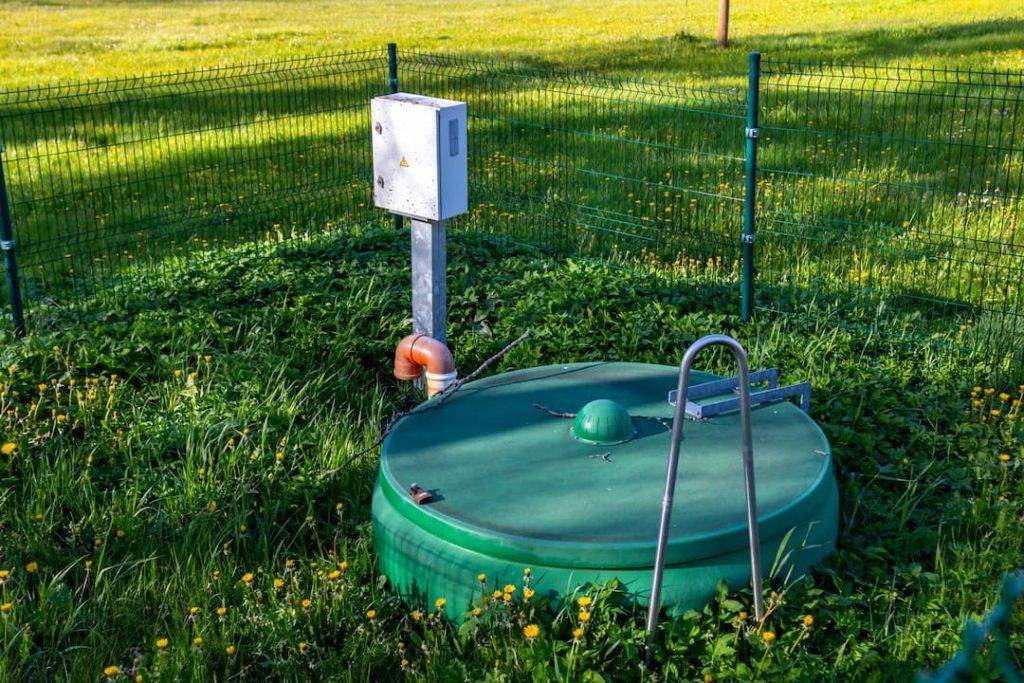
Finally, the tank and piping are covered with soil, and the site is restored to its original condition as much as possible. It’s important to conduct a thorough inspection after the installation to ensure everything is functioning correctly. Regular maintenance checks should be scheduled to keep the system in good working order.
Contact Warwickshire Groundworks For Septic Tank Installations
By understanding these steps and being well-prepared, homeowners can ensure a successful septic tank installation and long-term performance of their system. For professional assistance and expert advice, contact Warwickshire Groundworks.


